




Introduction to Inomyalgia
Inomyalgia is a term used to describe persistent or recurring muscle pain that may not be linked to a specific injury. People experiencing this condition often report deep aching sensations, stiffness, tenderness, and reduced flexibility. While muscle soreness after physical activity is common, this condition differs because the discomfort may last longer, return frequently, or occur without an obvious trigger.
Muscle-related pain disorders are increasingly recognized in modern healthcare due to lifestyle changes, stress, and sedentary routines. Inomyalgia can affect individuals of all ages, from young adults to older people, and may interfere with daily activities, work productivity, and overall quality of life.
Understanding the causes, symptoms, and available treatment options can help individuals manage discomfort effectively and prevent long-term complications.
What Is Inomyalgia?
Inomyalgia refers to a generalized or localized muscle pain condition that persists beyond normal recovery periods. Unlike temporary muscle soreness, which typically resolves within a few days, this issue may last for weeks or even months.
The pain may feel:
-
Dull and aching
-
Sharp during movement
-
Associated with stiffness
-
Accompanied by muscle weakness
In some cases, it may resemble symptoms seen in conditions such as Fibromyalgia or Myositis, though it may not always meet the full diagnostic criteria for these disorders.
Common Causes of Inomyalgia
Understanding what triggers muscle pain is essential for effective management. The causes can be physical, neurological, or even psychological.
1. Overuse or Repetitive Strain
Repeated movements or intense workouts can strain muscle fibers. Without adequate recovery, muscle tissues may develop chronic discomfort.
Examples include:
-
Long hours at a computer
-
Heavy lifting
-
Sports without proper warm-up
2. Stress and Emotional Factors
Chronic stress can increase muscle tension, particularly in the neck, shoulders, and back. Over time, persistent tension may evolve into ongoing discomfort.
3. Nutritional Deficiencies
Low levels of vitamin D, magnesium, or potassium can affect muscle function and lead to cramps or aches.
4. Inflammatory Conditions
Autoimmune or inflammatory disorders may target muscle tissues, leading to prolonged soreness.
5. Poor Posture
Slouching or improper ergonomic setups can strain specific muscle groups, especially in the upper body.
6. Sedentary Lifestyle
Lack of physical activity reduces muscle flexibility and circulation, contributing to stiffness and pain.
Symptoms of Inomyalgia
Symptoms may vary from mild to severe and can differ between individuals. Common signs include:
-
Persistent muscle aching
-
Tenderness when touched
-
Stiffness, especially in the morning
-
Fatigue
-
Reduced range of motion
-
Occasional muscle spasms
In some cases, individuals may also experience sleep disturbances, similar to those seen in Chronic fatigue syndrome.
Areas Commonly Affected by Inomyalgia
Muscle pain can appear anywhere, but certain regions are more vulnerable.
Neck and Shoulders

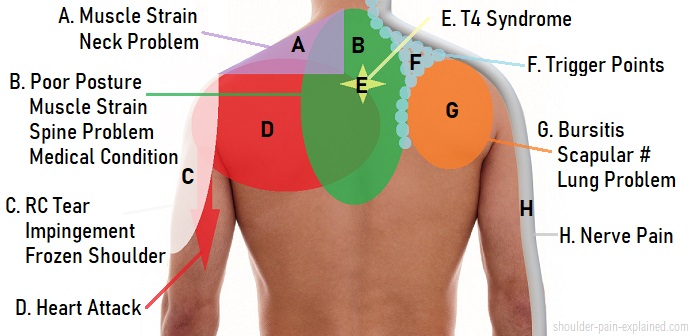
Prolonged screen time and stress often lead to tightness in the trapezius and cervical muscles.
Lower Back
Improper lifting techniques or weak core muscles can strain the lumbar region.
Legs and Calves
Athletes or individuals who stand for long hours may notice pain in these areas.
How Inomyalgia Is Diagnosed
There is no single test specifically designed for this condition. Diagnosis typically involves:
-
Medical History Review
Doctors ask about lifestyle, stress levels, injuries, and duration of pain. -
Physical Examination
Muscle tenderness, range of motion, and strength are evaluated. -
Blood Tests
These help rule out inflammatory or autoimmune conditions. -
Imaging Tests
MRI or ultrasound scans may be recommended to exclude structural injuries.
Physicians often rule out disorders like Rheumatoid arthritis before confirming a muscle-based diagnosis.
Treatment Options for Inomyalgia
Managing muscle pain requires a combination of lifestyle changes and medical care.
1. Physical Therapy
Stretching and strengthening exercises help restore muscle balance and improve flexibility.
2. Pain Relief Medications
Over-the-counter pain relievers may provide short-term relief. In severe cases, doctors may prescribe muscle relaxants.
3. Massage Therapy
Deep tissue massage can reduce tension and improve blood flow to affected areas.
4. Heat and Cold Therapy
-
Heat relaxes tight muscles
-
Cold reduces inflammation
5. Stress Management
Meditation, yoga, and breathing exercises can significantly reduce muscle tension.
6. Nutritional Support
Ensuring adequate intake of vitamins and minerals supports muscle recovery.
Lifestyle Changes to Prevent Inomyalgia
Prevention focuses on maintaining muscle health and reducing strain.
-
Maintain proper posture
-
Take regular breaks during work
-
Exercise consistently
-
Stay hydrated
-
Sleep 7–9 hours per night
-
Use ergonomic furniture
Simple adjustments can prevent recurring discomfort and improve overall wellbeing.
When to See a Doctor
Seek medical attention if:
-
Pain lasts more than several weeks
-
There is swelling or redness
-
Muscle weakness worsens
-
Fever accompanies muscle pain
Early intervention prevents complications and ensures accurate diagnosis.
The Psychological Impact of Inomyalgia
Persistent muscle discomfort can affect mental health. Chronic pain may lead to:
-
Irritability
-
Reduced productivity
-
Anxiety
-
Sleep disruption
Addressing both physical and emotional aspects is essential for long-term recovery.
Inomyalgia and Modern Lifestyle
Today’s digital and sedentary routines contribute significantly to muscle-related discomfort. Extended screen time, limited movement, and high stress levels create ideal conditions for chronic muscle strain.
Adopting active habits—such as stretching during work hours and engaging in moderate exercise—can drastically reduce the risk.
Long-Term Outlook
With early management and consistent care, most individuals experience significant improvement. However, ignoring persistent symptoms may lead to chronic patterns of discomfort.
Developing a balanced routine that includes physical activity, stress management, and healthy nutrition is key to long-term muscle health.
Conclusion
Inomyalgia is more than simple muscle soreness. It represents a pattern of persistent or recurring muscle discomfort that can interfere with daily life. While it may stem from overuse, stress, nutritional imbalances, or poor posture, it is often manageable with the right combination of therapy, lifestyle adjustments, and medical guidance.
Recognizing symptoms early and taking proactive steps—such as improving posture, exercising regularly, and managing stress—can significantly reduce the impact of this condition. With proper care, individuals can regain comfort, mobility, and overall quality of life.
Frequently Asked Questions (FAQs)
1. What is the main cause of Inomyalgia?
The condition is commonly caused by muscle overuse, chronic stress, poor posture, or nutritional deficiencies. In some cases, underlying inflammatory conditions may contribute.
2. Is Inomyalgia the same as fibromyalgia?
No, it is not exactly the same. While symptoms may overlap, fibromyalgia is a recognized chronic pain disorder with specific diagnostic criteria.
3. Can exercise worsen Inomyalgia?
High-intensity exercise may temporarily increase discomfort, but gentle stretching and strengthening exercises typically improve symptoms over time.
4. How long does Inomyalgia last?
Duration varies. Some people recover within weeks, while others may experience recurring episodes if underlying causes are not addressed.
5. Can stress really cause muscle pain?
Yes. Chronic stress increases muscle tension, which can eventually lead to persistent discomfort if not managed properly.
